Understanding Astrology Basics
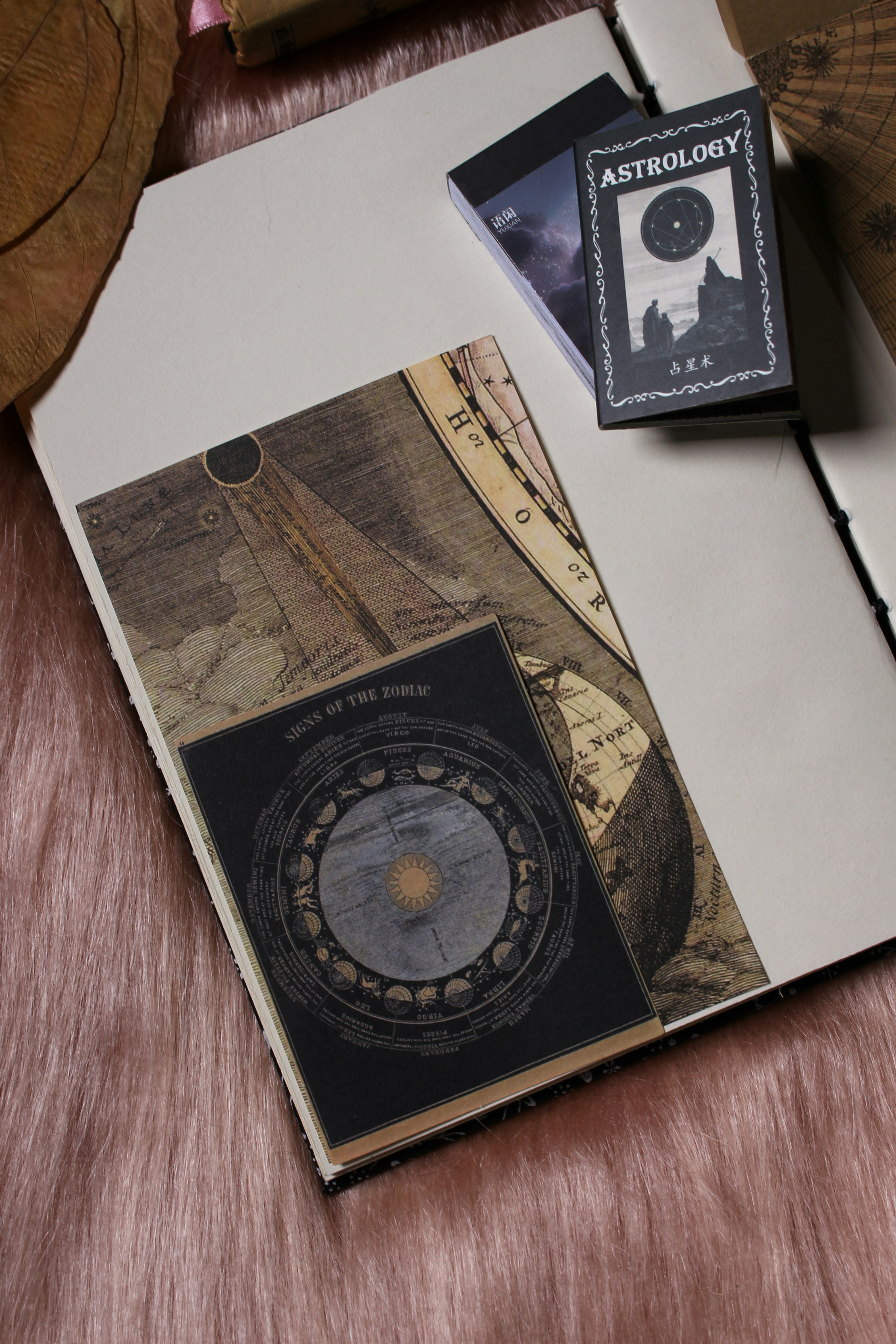
Astrology is a discipline that explores the connections between celestial phenomena and human experiences. It operates on the premise that the positions of celestial bodies at the time of an individual’s birth can significantly influence their personality traits, behaviors, and even relationship compatibility. The foundational elements of astrology include the zodiac signs, the planets, and aspects, all of which combine to create a complex system of interpretation.
The zodiac is divided into twelve signs, each associated with distinctive characteristics and traits. These signs—Aries, Taurus, Gemini, Cancer, Leo, Virgo, Libra, Scorpio, Sagittarius, Capricorn, Aquarius, and Pisces—are represented by symbols and are linked to specific time frames during the year. Each sign is further categorized into elements: fire, earth, air, and water, contributing to their inherent nature and compatibility with other signs. For instance, fire signs are typically known for their passion and energy, while earth signs are often characterized by stability and practicality.
Astrological analysis extends beyond mere sun signs; it involves the complete natal chart, which includes the moon’s position and rising signs, all of which further complicate personality profiles. Moreover, the influence of planets, such as Venus and Mars, plays a vital role in determining aspects of love and attraction, underscoring their relevance in relationship compatibility. Planetary alignments and transits are also believed to affect individual experiences over time, suggesting that there are optimal periods for initiating relationships or making crucial decisions.
By understanding these basics of astrology, individuals may gain insights into their innate tendencies and the dynamics of their relationships. Applying this knowledge can aid in navigating personal connections and enhancing overall relationship compatibility through the insights offered by the stars.
The Role of Sun, Moon, and Rising Signs
In the realm of astrology, the Sun, Moon, and Rising signs, also referred to as the Ascendant, form the core of an individual’s astrological profile. Together, they provide invaluable insight into personality traits, emotional responses, and the overall disposition of a person. Understanding these three components is essential for anyone looking to navigate relationship compatibility through an astrological lens.
The Sun sign, often the most recognized aspect of a person’s astrological identity, represents the core essence and ego of an individual. It is associated with one’s outward personality and conscious self. For example, a person with a Leo Sun typically embodies confidence and charisma, making them radiant and often the center of attention. The Sun sign also reflects one’s basic motivations and character strengths, key elements that influence compatibility in relationships.
In contrast, the Moon sign governs one’s emotional world and intuitive responses. It reveals how a person processes feelings and forms attachments, thus unveiling their emotional needs in a relationship. For instance, someone with a Cancer Moon may seek security and nurturing from their partner, prioritizing emotional depth and loyalty. Understanding one’s Moon sign can significantly enhance relationship dynamics, allowing partners to cater to each other’s emotional requirements effectively.
Finally, the Rising sign or Ascendant is how individuals present themselves to the world and how they are perceived by others. It can influence first impressions and superficial traits. For example, an individual with a Virgo Rising may appear more reserved and analytical, which can affect their interpersonal interactions. The Ascendant adds depth to the astrological profile by combining elements of spontaneity and restraint, essential for fostering genuine connections with others.
Collectively, the Sun, Moon, and Rising signs create a comprehensive portrait of an individual, offering crucial insights into compatibility with others. By analyzing these signs within the context of relationships, individuals can gain a clearer understanding of how to navigate love effectively.
How Astrological Compatibility is Assessed
Astrological compatibility is a complex and intricate field that uses various methodologies to analyze the relational dynamics between two individuals. One of the primary methods employed by astrologers is synastry, which involves comparing the natal charts of both partners. In this assessment, the positions of the planets, the signs they occupy, and their corresponding houses are evaluated to gauge how they interact with each other. The aspects, or angles, formed between planets from one chart to another play a critical role in identifying harmonious or challenging influences. Favorable aspects, such as trines and sextiles, often signify compatibility, while tense aspects like squares or oppositions can indicate potential conflicts.
In addition to synastry, composite charts provide a deeper layer of insight into a couple’s relationship. A composite chart is created by taking the midpoint of each planetary position from the two individuals’ charts, resulting in a single chart that represents the relationship itself, rather than the individuals. This chart unveils the unique qualities, strengths, and challenges that arise when two people come together. By examining the composite Sun, Moon, and other key planets, astrologers can delineate the overall energy of the relationship.
Moreover, it is vital to consider the placement of the personal planets—Sun, Moon, Mercury, Venus, and Mars. Each holds significance in different aspects of love and relationships. For instance, the Moon reflects emotional compatibility, while Venus reveals attraction and affection dynamics. By understanding how these planets interact, one can better comprehend the emotional and romantic compatibility between two individuals.
In conclusion, assessing astrological compatibility is not a mere checklist; it is a nuanced analysis requiring a multifaceted approach. Examining synastry and composite charts enriches our understanding of how relationships can flourish or struggle under the influence of the stars.
Common Compatible Pairings
In the realm of astrology, certain signs are frequently highlighted for their compatibility with one another. Understanding these pairings can offer valuable insights into relationship dynamics, emotional stability, and even long-term harmony. One notable duo is the combination of Taurus and Cancer. Taurus, an Earth sign, brings groundedness and practicality, while Cancer, a Water sign, adds emotional depth and nurturing qualities. Together, they create a nurturing partnership that emphasizes security and mutual support.
Another well-known pairing is that of Libra and Gemini. Both are Air signs, suggesting a natural affinity for intellectual connections and open communication. Libras, with their sociable nature, thrive on partnerships, while Geminis contribute a lively energy and curiosity that keep the relationship dynamic and engaging. This potent combination often leads to a bond characterized by mutual respect and a shared appreciation for social interactions.
Similarly, the pairing of Aries and Leo is often celebrated in astrological circles. Aries, known for their assertiveness, complements Leo’s desire to be admired and appreciated. Together, they create a vibrant and passionate relationship, one that is marked by enthusiasm and spontaneous adventures. Their shared fire element fuels a connection that is both invigorating and exhilarating.
On the other hand, the pairing of Virgo and Capricorn stands out for its practicality and shared work ethic. Both Earth signs foster a relationship built on common goals, responsibility, and honesty. Their ability to support each other’s ambitions allows for a solid, enduring partnership. Overall, while these pairings are not exhaustive, they illustrate how compatibility in astrology often stems from complementary traits and shared values, facilitating deeper connections and stronger relationships.
Challenges in Astrological Relationships
Astrological relationships, while often viewed through the lens of harmony and compatibility, can also present unique challenges, particularly among pairs deemed less compatible according to zodiac traits. Each astrological sign embodies specific characteristics, strengths, and weaknesses that, when mismatched, can lead to conflicts and misunderstandings.
One common challenge arises from differing communication styles. For instance, fire signs, known for their passionate and impulsive nature, may clash with earth signs, who typically prioritize stability and practicality. This contrast can lead to frustration, as the fire sign’s enthusiasm may be perceived by the earth sign as recklessness, while the earth sign’s cautious approach may feel suffocating to the fire sign. The variation in emotional expressions can create a rift, potentially causing unmet needs in the relationship.
Another potential conflict often stems from varying social preferences and lifestyles. For example, an introverted water sign may find it overwhelming to keep up with the extroverted air sign’s need for social interaction. This discord can lead to feelings of isolation or resentment if one partner feels their needs are consistently overlooked or neglected. Such differences may challenge the couple’s ability to find common ground, resulting in tension.
Moreover, intrinsic values and priorities based on astrological influences can diverge significantly. For example, a Libra’s desire for partnership and balance might clash with the independence-driven nature of an Aquarius. These fundamental differences can create friction when decisions need to be made collectively. It is essential for couples to cultivate patience and understanding, recognizing that their differing traits can complement one another rather than divide.
Ultimately, awareness of these challenges allows pairs navigating less compatible astrological relationships to engage in meaningful dialogue, fostering a deeper understanding of each other and paving the way to overcome obstacles together.
Using Astrology to Improve Relationships
Astrology offers a profound lens through which individuals can gain insights into their relationships. By examining astrological charts and birth signs, partners can develop a better understanding of each other’s emotional needs, communication styles, and conflict resolution methods. This understanding can be instrumental in nurturing and improving relationships.
One of the key benefits of utilizing astrology in relationships is the insight it provides into compatibility. Each zodiac sign embodies distinctive traits and preferences, influencing how individuals interact with one another. For instance, understanding whether one is an earth sign, characterized by practicality and stability, or a fire sign, known for passion and spontaneity, can help partners appreciate their differences and work together more harmoniously. Knowing these traits allows for better communication and can help avert misunderstandings.
Furthermore, astrology can serve as a guide for addressing emotional needs. Each sign has unique emotional responses and support requirements. For example, water signs often seek deep emotional connections, while air signs may value intellectual stimulation. By recognizing and respecting these specific needs, partners can create a supportive environment that fosters emotional intimacy and trust.
Astrology can also assist in resolving conflicts constructively. By recognizing the astrological influences at play during challenging situations—such as the moon phases or planetary transits—individuals can adopt a more patient and understanding approach. Conflict often arises from misinterpretations of intentions; thus, knowing a partner’s astrological background can mitigate assumptions and lead to more effective resolution strategies.
In addition to these strategies, couples can benefit from regularly exploring their astrological compatibility through discussions and shared activities. Engaging in relationship-based astrological readings or attending workshops can encourage connection and deepen understanding. Overall, by leveraging astrology, partners can enhance their relationships and navigate love with greater awareness and empathy.
The Importance of Individual Growth
Astrology often provides insight into the dynamics of relationships, but the foundation of any successful partnership is rooted in individual growth. Personal development enhances one’s capacity for love, empathy, and understanding, enabling individuals to cultivate healthier relationships, regardless of their astrological compatibility.
Focusing on self-improvement allows individuals to build emotional resilience and develop essential skills that contribute to a harmonious partnership. When individuals invest time in understanding their own needs, desires, and emotional triggers, they are better prepared to communicate effectively with their partners. This self-awareness lays the groundwork for healthier interactions, decreasing misunderstandings that can arise due to differing needs or expectations.
Moreover, personal growth fosters a sense of independence and self-sufficiency, which are crucial aspects of any thriving relationship. When both partners prioritize their development, they bring a richer, more fulfilled version of themselves into the relationship. This reciprocal growth can lead to deeper emotional bonds and increased compatibility, regardless of what the stars may indicate.
Additionally, individuals who focus on their own growth often become more adaptable and open-minded, traits that are essential when navigating the complexities of relationships. They become ready to tackle challenges together with their partners rather than allowing the relationship dynamics to dictate their individualities. Enhancing personal strengths, cultivating healthy coping mechanisms, and pursuing passions independently can help mitigate the pressure of holding a partner responsible for one’s happiness.
Thus, the journey of personal development not only enriches the individual but also profoundly benefits the relationship as a whole. Couples should embrace the idea that while astrological insights may offer guidance, the real transformative power lies in the commitment to growth both individually and collectively.
Astrology vs. Personal Experience: Finding a Balance
Astrology, a practice that has been around for centuries, offers insights into personality traits, compatibility, and the dynamics of relationships through celestial movements and alignments. However, while astrological interpretations can provide guidance on romantic connections, they should not overshadow the significance of personal experiences and choices. The interplay between astrological influences and individual circumstances is crucial in understanding the complexities of love and partnerships.
One of the primary advantages of astrology is its ability to present a broad framework for understanding compatibility. For example, certain signs are often said to complement one another due to their shared elements or traits. This can help individuals identify potential matches that align with their astrological characteristics. Despite this guidance, it is essential to recognize that every individual is unique, shaped by their life experiences, values, and personal growth. Therefore, while an astrological sign may suggest certain compatibility traits, personal experiences can either enhance or undermine these potential dynamics.
Personal choices, such as communication styles, emotional availability, and life circumstances, play a significant role in how relationships unfold. These factors often differ from the generalized predictions astrology provides. A relationship between two compatible signs may still face challenges if both individuals have unresolved issues or divergent life goals. Moreover, personal experiences can lead to emotional maturity or insights that change how an individual approaches relationships, sometimes defying astrological expectations.
Reflecting on one’s journey and the specific circumstances that shape interactions can help in finding a balance between taking astrological insights into account and honoring personal experiences. Building strong relationships requires a multifaceted approach where astrological perspectives serve as one of many tools in a broader toolkit of understanding relationship compatibility.
Conclusion: Embracing the Stars in Love and Relationship
Astrology offers a fascinating framework for understanding relationship compatibility. By examining the celestial patterns and how they influence individual personalities, one can gain insightful perspectives on love and connections. Throughout our exploration, we have highlighted how zodiac signs can reveal intrinsic traits and tendencies that shape romantic dynamics.
Recognizing the astrological influences can be a valuable tool for self-awareness. Understanding one’s own sign and its characteristics helps individuals navigate their emotions and behaviors in relationships. Moreover, exploring the compatibility between different signs fosters a deeper understanding of potential areas of conflict and harmony. It empowers partners to develop empathy and communication, essential components for nurturing a healthy relationship.
However, it is pivotal to remember that astrology should not be seen as the ultimate determinant of relationship success. While the stars provide a roadmap, personal choice and agency remain crucial in shaping the course of love. Individuals possess the capacity to make conscious decisions, fostering growth and transformation within their personal dynamics. Embracing astrology as one of the many tools for self-understanding enables individuals to approach relationships with an open mind. This perspective encourages couples to engage in honest dialogue and compromise for the sake of their shared experiences.
In essence, astrology can be a powerful ally in love and relationships, offering insights and fostering connections. By embracing the cosmic influences at play, while also acknowledging personal choice, individuals can navigate the complexities of love with greater ease. Ultimately, the journey toward compatibility and understanding is as much about the stars as it is about the willingness to nurture and grow together.